
Table of Contents
- Understanding Low Libido and Medical Support
- Common Medical Causes and How Doctors Diagnose Them
- Treatment Options for Low Libido
- When to Seek Medical Help and What to Expect
Last Updated: August 11, 2026
Understanding Low Libido and Medical Support
Medical support for low libido addresses a condition that affects many men, particularly as they age. Low libido, also called hypoactive sexual desire disorder (HSDD) when it meets clinical criteria, isn’t simply a personal preference issue. It’s a medical condition with identifiable causes that respond to treatment.
The difference between occasional fluctuations in desire and a clinical problem comes down to duration, distress, and impact on quality of life. When low sex drive persists for months and causes genuine concern, medical support for low libido becomes relevant. At Socal Mens Clinic Virtual, we approach this as a diagnostic challenge: identify what’s driving the change, then address the root cause rather than treating symptoms in isolation.
Many men wait years before seeking help, assuming the issue will resolve on its own or that it’s simply a normal part of aging. The reality is different. Most causes of low libido are treatable once properly identified. Hormonal imbalances, medication side effects, psychological factors, and relationship dynamics all respond to specific interventions.
Common Medical Causes and How Doctors Diagnose Them
Low sex drive has multiple origins, and diagnosis requires systematic evaluation. The most common medical cause involves the endocrine system. Testosterone levels naturally decline with age, but a significant drop below normal ranges can reduce sexual desire, energy, and motivation. Estrogen and progesterone imbalances also affect sexual function in ways many men don’t realize.
Beyond hormones, chronic conditions frequently contribute to low libido. Diabetes, cardiovascular disease, and thyroid dysfunction all suppress sexual desire. Medications prescribed for common conditions, antidepressants, blood pressure medications, antihistamines, carry sexual side effects that doctors sometimes overlook. A thorough patient history that connects timing (when did desire drop?) to life changes (new medication, diagnosis, stress) often reveals the culprit.
Psychological factors matter equally. Stress, depression, anxiety, and relationship conflict directly reduce sexual arousal and desire. Sleep disturbances and fatigue create a cascade effect: poor sleep worsens mood, mood affects motivation, and motivation influences sexual interest. The brain is the body’s largest sexual organ, and mental state determines physical response.
Diagnosis starts with a clinical conversation. A qualified physician asks about onset, duration, context, and associated symptoms. Physical examination checks for signs of hormonal dysfunction or cardiovascular problems. Lab work using LabCorp diagnostics measures testosterone, estrogen, progesterone, thyroid function, and metabolic markers. This lab-first approach identifies specific deficiencies rather than guessing at causes.
Treatment Options for Low Libido
Once diagnosis is complete, treatment becomes targeted. Hormone replacement therapy (HRT) addresses testosterone deficiency directly. When testosterone levels fall below healthy ranges, supplementation restores sexual desire, energy, and muscle function. The dosing and delivery method, injection, gel, patch, depend on individual factors and preference.
For women in menopause, estrogen and progesterone therapy can restore sexual function. For men with low testosterone, testosterone replacement therapy (TRT) is the primary pharmacological intervention. FDA-approved medications like flibanserin address desire disorders through a different mechanism, affecting neurotransmitters rather than hormones directly.
Pelvic floor physical therapy strengthens muscles that support sexual function. Many people don’t realize these muscles can be trained and strengthened, much like any other muscle group. Targeted exercises improve blood flow, sensation, and control.
Sex therapy and counseling address psychological barriers. A trained sex therapist helps couples communicate about desire, addresses performance anxiety, and rebuilds intimacy. For individuals, therapy explores beliefs about sexuality, trauma history, and stress patterns that suppress desire.
Lifestyle changes amplify medical treatment. Sleep quality directly affects hormone production and sexual desire. Regular exercise improves cardiovascular function, mood, and confidence, all necessary for healthy sexual function. Stress management through meditation, time outdoors, or structured relaxation reduces cortisol, which suppresses testosterone and sexual interest.
Nutritional factors support sexual health. Certain nutrients support blood flow and hormone production. Discussing supplements with a physician ensures safety and prevents interactions with medications.
When to Seek Medical Help and What to Expect
Contact a healthcare professional when low libido persists beyond a few weeks and causes distress. The threshold for seeking help varies, some men wait until the impact on relationships becomes severe, others recognize the problem early. Either way, earlier intervention typically means faster results.

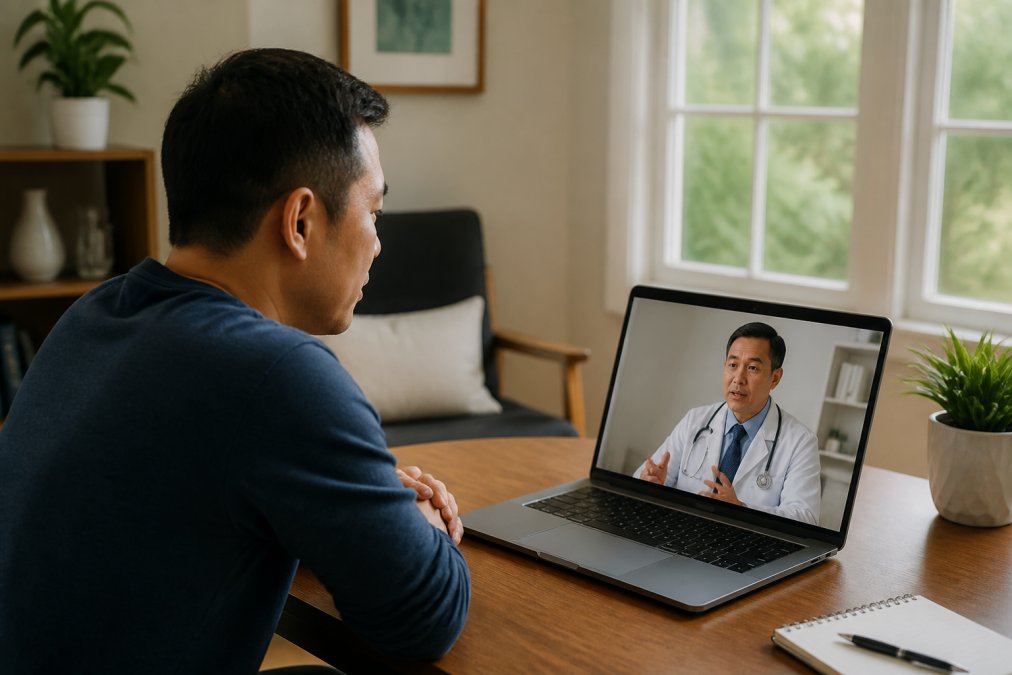
A virtual consultation with a qualified physician follows a structured process. You’ll discuss your medical history, current symptoms, medications, and lifestyle. The physician asks about relationship satisfaction, stress levels, sleep quality, and exercise patterns. This conversation maps the full picture.
Lab work comes next. Blood tests measure hormone levels, metabolic markers, and cardiovascular health. Results typically arrive within days. Follow-up consultation reviews findings and discusses treatment options. The physician explains what the numbers mean and how specific interventions address your situation.
Treatment plans are personalized. Two men with identical testosterone levels might receive different recommendations based on other factors, age, existing conditions, preferences, and lifestyle. A good plan fits your life rather than forcing you to adapt to a generic protocol.
Ongoing medical support matters. Regular follow-ups track how you’re responding. Lab work repeats periodically to confirm hormone levels are stable. Adjustments happen based on results and how you feel. Most men see noticeable improvement in desire within 4-8 weeks, though some changes take longer.
The key difference between seeking support from a general practitioner versus a specialist trained in men’s health is depth of knowledge. A general doctor might run basic labs and offer standard advice. A physician specializing in men’s health recognizes patterns, knows which interventions work best for specific situations, and adjusts treatment based on detailed understanding of the endocrine system and sexual health.
Virtual care removes barriers. No office visits, no referral requirements, no insurance complexity. Socal Mens Clinic Virtual provides licensed California physicians who conduct thorough evaluations using a lab-first approach. The platform connects you with ongoing medical support designed specifically for men addressing hormone-related issues affecting libido, energy, and performance.
Frequently Asked Questions
What type of doctor should I see for low libido?
Start with your primary care physician, who can evaluate your overall health and order initial lab work. If hormone imbalances are suspected, you may be referred to an endocrinologist. For sexual health concerns specifically, urologists and sexual medicine specialists have additional training. Many men also find virtual telehealth platforms helpful because they specialize in sexual health and hormonal issues, offer lab-first approaches, and provide convenient access without office visits.
What medications do doctors prescribe for low libido?
Treatment depends on the underlying cause. For hormonal deficiency, testosterone replacement therapy may be prescribed. For women with hypoactive sexual desire disorder (HSDD), flibanserin is FDA-approved. Medications causing low libido as a side effect may be adjusted or replaced. A healthcare provider will review your medical history and lab results to determine the right approach, as prescription decisions depend on your specific diagnosis and health profile.
How long does medical treatment for low libido take to work?
Timeline varies by treatment type. Hormone replacement therapy often shows noticeable changes in energy and mood within 2-4 weeks, with sexual function improvements following over 6-12 weeks. Psychological approaches like sex therapy require ongoing sessions, typically 8-12 weeks minimum. Lifestyle changes build gradually. Your doctor will establish a timeline based on your treatment plan and monitor progress through follow-up appointments and lab work if needed.
Can low libido be caused by medications I'm already taking?
Yes. Many medications, including certain antidepressants, blood pressure drugs, and antihistamines, can reduce sexual desire as a side effect. If you suspect your medication is affecting libido, discuss this with your prescribing doctor. They may adjust your dose, switch you to an alternative medication, or add another medication to counteract the effect. Never stop taking prescribed medication without medical guidance, but addressing this concern is an important part of medical support for low libido.
Don’t let low libido persist without investigation. Medical support for low libido works best when you have a clear diagnosis and a treatment plan tailored to your specific situation. Socal Mens Clinic Virtual offers the diagnostic rigor and personalized medical support you need to restore sexual desire and confidence. Start with a consultation to understand your lab results and explore options designed for your health profile.
This article was written using GrandRanker