
Table of Contents
- What Is Low Testosterone and Why It Matters
- Common Causes of Low Testosterone
- How Low Testosterone Is Diagnosed
- How to Increase Testosterone Levels Naturally
- Understanding the Lab-First Approach to TRT
- Is Testosterone Therapy Worth It for Your Situation
- Moving Forward: Next Steps and Medical Support
Last Updated: August 30, 2026
What Is Low Testosterone and Why It Matters
Low testosterone, or hypogonadism, is a condition where your body produces insufficient testosterone, the hormone responsible for sexual function, muscle development, bone density, and energy levels. Men with low testosterone often experience fatigue, reduced libido, difficulty building muscle, and mood changes that significantly impact quality of life.
Testosterone naturally declines with age, but shouldn’t decline so much that you feel trapped in fatigue and diminished performance. A lab-first approach identifies the actual problem instead of dismissing it.
Common Causes of Low Testosterone
Testosterone deficiency doesn’t happen randomly. Understanding the specific reasons why testosterone is low helps you address the root issue rather than just treating symptoms.

Age-Related Decline
Testosterone naturally decreases about 1% per year after age 30 (peer-reviewed research). By your 50s and 60s, this compounds into a significant drop. However, the rate of decline varies dramatically between men. A man who exercises regularly, sleeps well, and maintains a healthy weight often preserves testosterone better than a sedentary peer.
Metabolic and Weight Factors
Excess body weight, particularly abdominal fat, actively suppresses testosterone production. Fat tissue produces estrogen and inflammatory compounds that interfere with the hormonal signals your body uses to make testosterone. This creates a frustrating cycle: low testosterone makes it harder to build muscle and easier to gain weight, which further suppresses testosterone.
Metabolic disorders like insulin resistance and metabolic syndrome accelerate this process significantly.
Sleep and Circadian Rhythm Disruption
Your body produces most of its testosterone during deep sleep, particularly in the early morning hours (peer-reviewed research). Poor sleep quality, irregular sleep schedules, and circadian rhythm disruption directly suppress testosterone production. Sleep apnea deserves special mention, this condition disrupts sleep architecture and oxygen levels, creating a double hit to testosterone production.
Medical Conditions and Medications
Several conditions directly damage testosterone production: hemochromatosis, chronic kidney disease, liver disease, and autoimmune conditions. High cortisol from chronic stress interferes with the hypothalamus and pituitary gland that control testosterone production.
Medications compound the problem. Opioids, some antidepressants, blood pressure medications, and corticosteroids can all reduce testosterone.
How Low Testosterone Is Diagnosed
Diagnosis requires more than a single blood test. A proper workup measures total testosterone, free testosterone, and bioavailable testosterone, each tells a different part of the story. Your pituitary function, thyroid status, and metabolic markers all provide context for what’s actually happening.
Understanding the Three Testosterone Measurements
Total testosterone is the sum of all testosterone in your blood, but much of it binds to sex hormone-binding globulin (SHBG), a protein that locks testosterone away and makes it unavailable. Free testosterone, the unbound portion, is what your tissues actually use. Bioavailable testosterone includes both free testosterone and testosterone loosely bound to albumin, giving a more complete picture of what your body can access.
A man might have a total testosterone of 450 ng/dL (which some labs would call "normal") but high SHBG levels, leaving him with critically low free testosterone and experiencing all the symptoms of deficiency.
2026 Diagnostic Thresholds: What Counts as Low
Most evidence-based clinicians consider total testosterone below 400 ng/dL worth investigating, especially if symptoms are present (endocrine.org). For free testosterone, below 9 pg/mL is widely recognized as deficient. Bioavailable testosterone below 150 ng/dL similarly warrants investigation.
The key shift in 2026 thinking: diagnosis is not purely numerical. A man with total testosterone of 380 ng/dL and clear symptoms of deficiency is a candidate for treatment. Symptom-lab correlation, not lab values alone, drives the decision.
Why Timing and Context Are Critical
Testosterone fluctuates throughout the day, peaking in early morning (typically 6-8 AM) and declining through the afternoon and evening. Proper diagnosis requires morning blood draws, ideally between 7-10 AM. Recent illness, acute stress, poor sleep the night before, or intense exercise can temporarily suppress testosterone by 10-20%.
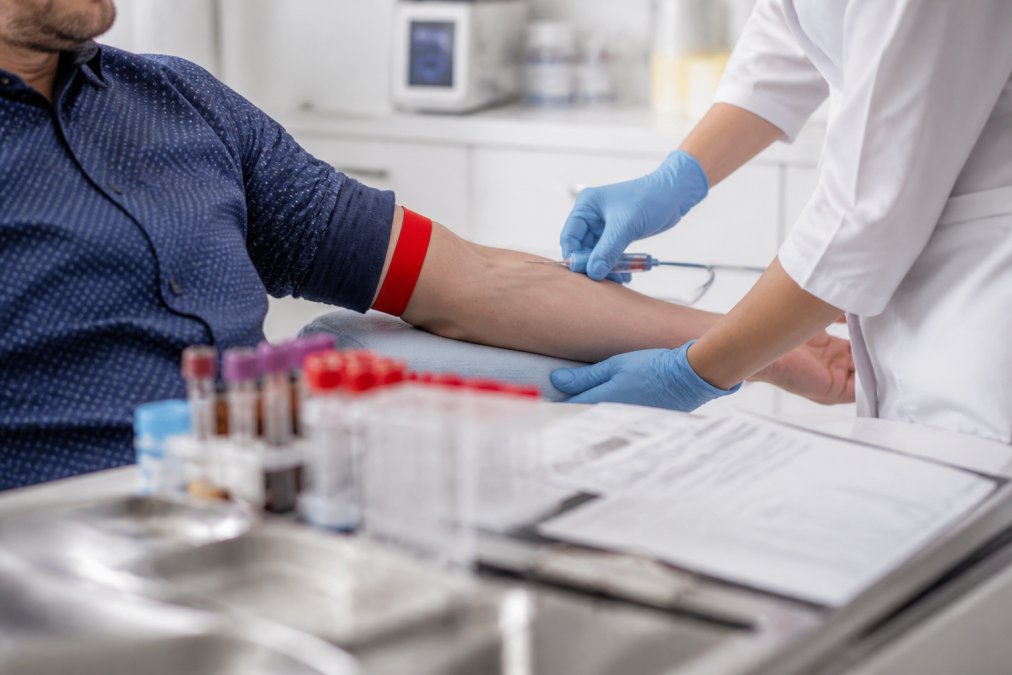
Comprehensive Baseline Testing Beyond Testosterone
A complete initial workup should include total and free testosterone, estradiol, luteinizing hormone (LH) and follicle-stimulating hormone (FSH), prolactin, thyroid function (TSH, free T4), hemoglobin and hematocrit, PSA (prostate-specific antigen), and metabolic panel. These results inform whether TRT is appropriate and help identify metabolic causes of low testosterone.
A clinic that orders only total testosterone is cutting corners. Comprehensive baseline testing prevents months of guessing and wrong treatment decisions.
Red Flags That Warrant Urgent Evaluation
If your testosterone is very low (below 200 ng/dL) with acute symptoms like severe fatigue, depression, or loss of sexual function, don’t wait for repeat testing. Severely low testosterone can indicate pituitary tumors, testicular cancer, or other serious conditions needing prompt investigation.
How to Increase Testosterone Levels Naturally
Before considering medical intervention, several lifestyle modifications can meaningfully improve testosterone. These address root causes rather than symptoms.
The Psychological and Cognitive Burden of Low Testosterone
Low testosterone is strongly associated with depression and anxiety. Testosterone influences dopamine and serotonin pathways in the brain. When testosterone is low, dopamine signaling declines, reducing motivation, pleasure, and reward sensitivity. Brain fog and cognitive slowing are equally real, as testosterone supports neural efficiency in the prefrontal cortex.
While working on lifestyle interventions, acknowledge that these psychological symptoms are real and valid. If you’re experiencing significant depression or anxiety, don’t wait for testosterone to improve before seeking mental health support.
Sleep Optimization: The Foundation
Sleep is foundational because testosterone production is almost entirely nocturnal. Aim for 7-9 hours nightly with consistent sleep and wake times. Keep your bedroom cool (around 65-68°F), dark, and quiet. Avoid screens 30-60 minutes before bed and limit caffeine after 2 PM.
Sleep apnea deserves special mention. Treating it alone often restores testosterone significantly without any other intervention. Sleep improvements typically show measurable testosterone gains within 4-6 weeks if sleep was the primary problem.
Exercise, Particularly Resistance Training
Resistance training stimulates testosterone production more effectively than any other exercise modality. Compound movements, squats, deadlifts, bench presses, rows, trigger larger hormonal responses than isolation exercises.
Optimal protocol: 3-4 sessions weekly, 45-60 minutes per session, focusing on compound lifts with progressive overload. Moderate cardio (30 minutes, 3-4 times weekly) supports overall health. Resistance training produces measurable testosterone increases within 6-8 weeks in previously sedentary men, typically 10-15% improvement.
Weight Management and Metabolic Health
Excess body weight actively suppresses testosterone. Focus on whole foods, adequate protein intake (0.8-1 gram per pound of body weight), and sustainable calorie reduction. Even a 10-15% weight loss often produces meaningful testosterone improvement, sometimes 20-30% increases in men with metabolic syndrome.
Stress Reduction and Cortisol Management
Chronic stress elevates cortisol, which directly suppresses testosterone production. Practical interventions include meditation (even 10 minutes daily), yoga, time in nature, or reducing work hours. Stress reduction effects appear within 4-8 weeks if stress was the primary driver.
Nutrient Optimization
Vitamin D deficiency is remarkably common and directly linked to low testosterone. Men with vitamin D levels below 20 ng/mL show testosterone levels 20-30% lower than men with levels above 40 ng/mL. Zinc supplementation (15-30 mg daily) helps if you’re deficient. Magnesium supplementation (300-400 mg daily) supports testosterone production. Nutrient repletion takes 8-12 weeks to show full effects.
Realistic Expectations: When Lifestyle Changes Are Enough
Lifestyle interventions work best when testosterone is mildly low (400-500 ng/dL) or when deficiency is recent. Men in this category often see 30-50% improvements with comprehensive lifestyle change over 12-16 weeks.
Lifestyle changes are less effective when testosterone is severely low (below 300 ng/dL) or when deficiency is longstanding. In these cases, lifestyle modifications should be pursued alongside medical treatment, not instead of it.
Understanding the Lab-First Approach to TRT
Testosterone replacement therapy (TRT) isn’t a one-size-fits-all treatment. The lab-first approach means your dosing, delivery method, and monitoring are based on your specific lab values and response, not a standard protocol.
This starts with comprehensive baseline testing. Delivery methods vary, injections provide stable levels but require weekly or biweekly administration, while gels and creams offer convenience with more variable absorption. Pellets provide consistent long-term delivery but require a minor procedure.
Ongoing monitoring is non-negotiable. Regular blood work tracks how your body responds and whether adjustments are needed. Proper management requires quarterly labs initially, then semi-annual monitoring once stable.
Is Testosterone Therapy Worth It for Your Situation
TRT works best when you have confirmed low testosterone with clear symptoms and when you’re willing to commit to ongoing monitoring and potential adjustments. Men report improved energy, better sexual function, easier muscle building, and improved mood.
The commitment matters. TRT requires regular lab work, ongoing clinic visits, and consistent treatment adherence. Consider also your age and health status. Younger men with newly diagnosed deficiency from a reversible cause might benefit more from addressing root causes first. Older men with longstanding deficiency and multiple failed lifestyle interventions often see clearer benefit from TRT.
Moving Forward: Next Steps and Medical Support
The path forward starts with clarity. You need to know your actual testosterone level, understand what’s causing the deficiency, and have realistic expectations about what intervention can achieve.
Schedule a consultation with a physician who takes a lab-first approach. Expect comprehensive baseline testing, a single testosterone number tells you almost nothing. From there, you have options: commit to 8-12 weeks of focused lifestyle effort while monitoring symptoms, or pursue TRT if testosterone is severely low or lifestyle changes haven’t worked.
The key is avoiding the trap many men fall into: accepting fatigue, low libido, and brain fog as inevitable. These aren’t normal aging. They’re symptoms of a treatable condition. With proper diagnosis and the right support, most men see meaningful improvement in energy, sexual function, mood, and physical performance.
If you’re experiencing fatigue, brain fog, or declining physical performance, getting your testosterone levels properly evaluated is the logical first step. Socal Mens Clinic Virtual uses a lab-first approach with licensed California physicians who provide personalized treatment plans based on your actual lab values, not insurance restrictions or cookie-cutter protocols. Our virtual telehealth platform makes it convenient to get comprehensive hormone evaluation and ongoing medical support without the complexity of traditional insurance-based care. The difference between being told your testosterone is "normal" and getting a treatment plan that actually addresses your symptoms often comes down to working with physicians who take the time to understand your specific situation.
Frequently Asked Questions
Why is my testosterone low recently?
Low testosterone can develop for several reasons. Age naturally lowers testosterone production by about 1% per year after age 30. Excess body weight and metabolic disorders like metabolic syndrome accelerate this decline. Poor sleep quality disrupts the circadian rhythm that regulates hormone production. Chronic stress elevates cortisol, which suppresses testosterone. Medical conditions such as hemochromatosis, pituitary dysfunction, or testicular injury, plus certain medications, can also cause deficiency. A lab-first approach using blood testing identifies your specific cause so treatment targets the actual problem.
Can low testosterone go back to normal without treatment?
Some lifestyle changes can modestly raise testosterone. Improving sleep hygiene, reducing body mass index through weight management, and managing stress all support natural hormone production. However, age-related decline and certain medical conditions rarely reverse without intervention. Blood panel results determine whether your levels are low enough to require medical support. A qualified physician can assess whether natural adjustments alone will bring you back to a healthy range or whether testosterone replacement therapy is needed for meaningful improvement.
Is testosterone therapy worth it if my doctor said my levels are normal?
Reference ranges for serum testosterone are broad, and some men feel symptomatic even within 'normal' ranges. A lab-first approach examines your complete hormonal picture, including bioavailable testosterone and related hormones, not just total testosterone. Your symptoms, fatigue, muscle loss, erectile dysfunction, brain fog, matter as much as the number. If standard testing missed something or your symptoms persist despite 'normal' results, a comprehensive evaluation by a men's health specialist can clarify whether you have androgen deficiency that warrants treatment and would improve your quality of life.
What's the difference between natural testosterone increases and medical therapy?
Natural approaches, better sleep, weight loss, stress reduction, exercise, work best for mild deficiency or prevention and carry no medical risks. They take weeks to months to show results. Medical testosterone replacement therapy (TRT) works faster and more reliably for clinical hypogonadism, delivering consistent hormone levels. The trade-off is ongoing medical supervision and potential side effects. A lab-first approach determines which path fits your specific numbers and symptoms. Many men benefit from combining both: medical support to restore baseline function, plus lifestyle changes to sustain and optimize results.
This article was written using GrandRanker