Table of Contents
- What Is Lab-Based Testosterone Therapy?
- Testosterone Blood Test Requirements for TRT
- How to Get a TRT Prescription Online
- How Often Should You Get Blood Work for TRT?
- Benefits of Testosterone Replacement Therapy
- Medical Supervision and Side Effect Management
- Why Virtual Telemedicine Works for Lab-Based TRT
- Conclusion
Last Updated: August 22, 2026
What Is Lab-Based Testosterone Therapy?
Lab-based testosterone therapy is a medical approach to treating low testosterone that begins with comprehensive blood testing to diagnose hormonal imbalance before any treatment starts. Rather than relying on symptoms alone, this method uses objective lab data to guide personalized treatment decisions. Your physician reviews hormone markers, establishes baseline levels, and creates a protocol specifically matched to your biology.
This differs fundamentally from symptom-based diagnosis. A patient might report fatigue, but fatigue has dozens of causes. A comprehensive hormone panel reveals whether testosterone deficiency is actually the problem. Many men arrive at clinics having been told by their primary care doctor that their testosterone is "normal", yet they still feel terrible. Lab-first diagnosis often finds what generalist physicians miss: subtle hormonal imbalances that fall within reference ranges but are suboptimal for that individual.
At Socal Mens Clinic Virtual, the lab-first approach means you get precise data before committing to treatment. This protects you from unnecessary therapy while ensuring those who genuinely need testosterone replacement get the right dose from day one. The process is straightforward: initial consultation, blood work through a certified lab, results review with a licensed California physician, and a personalized treatment plan based on your specific hormone profile.
Testosterone Blood Test Requirements for TRT
Getting a testosterone prescription online starts with understanding what blood work actually measures. A proper hormone panel goes far beyond a simple total testosterone count.
Key Markers in a Comprehensive Hormone Panel
Total testosterone measures all testosterone in your bloodstream, both bound and free. This is the headline number, but it’s incomplete on its own. A man might have high total testosterone that’s mostly bound to proteins, leaving little available testosterone doing actual work in his body.
Free testosterone is the active form, the hormone actually available to your cells. This drives energy, muscle growth, and libido. Some men have adequate total testosterone but low free testosterone, which explains why they feel symptoms despite "normal" results from their regular doctor.
Sex hormone-binding globulin (SHBG) is a protein that binds testosterone and makes it unavailable. High SHBG means more of your testosterone is locked up and inactive. This marker helps explain why two men with identical total testosterone levels experience completely different symptoms.
Bioavailable testosterone combines free testosterone and testosterone loosely bound to albumin, the portion actually available for your body to use. This is arguably more clinically relevant than total testosterone alone.
Additional markers include estradiol (your estrogen level, important because testosterone converts to estrogen), prolactin (which can suppress testosterone), and thyroid function tests. These context markers reveal whether other hormonal systems are interfering with testosterone function.
Why Lab-First Diagnosis Matters
Reference ranges are population averages, not individual optimization targets. A testosterone level of 400 ng/dL might fall within the "normal" range, but if you felt energetic at 650 ng/dL before age 35, then 400 is functionally low for you.
Lab-first diagnosis captures your individual baseline and tracks movement. It answers the real question: Is this man’s testosterone level appropriate for his symptoms and his personal history? A physician reviewing your labs alongside your symptom profile can distinguish between true testosterone deficiency and other causes of fatigue or erectile dysfunction.
Virtual telemedicine clinics using CLIA-certified laboratories create an advantage. You get professional blood draws at local collection centers, results within days, and physician review without the delays of traditional endocrinology referrals.
How to Get a TRT Prescription Online
The process of obtaining a testosterone prescription through telemedicine follows a structured path designed to protect your health while respecting your time.
Step 1: Initial Medical Consultation
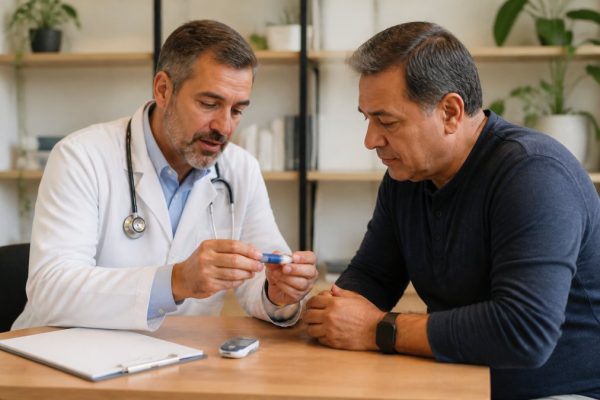
Your first interaction is a confidential consultation with a licensed physician entirely online. The physician asks about your symptoms: fatigue levels, changes in libido, muscle loss, mood changes, and sleep quality.
The physician also reviews your medical history, current medications, and any contraindications to testosterone therapy. Men with certain conditions, active prostate cancer, severe sleep apnea, or uncontrolled heart disease may not be candidates. This screening protects you from receiving treatment that could worsen an underlying condition.
You’ll discuss your goals, whether energy restoration, muscle gain, sexual function, or comprehensive metabolic health. Your specific goals inform how your physician approaches dosing and monitoring.

Step 2: Lab Work and Results Review
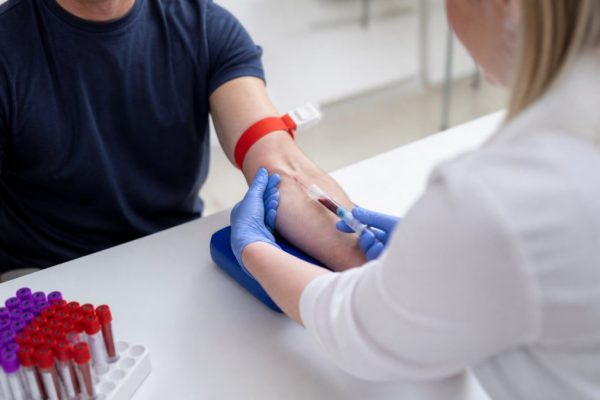
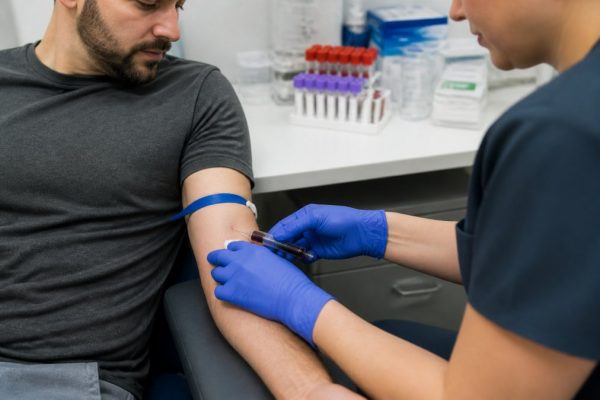
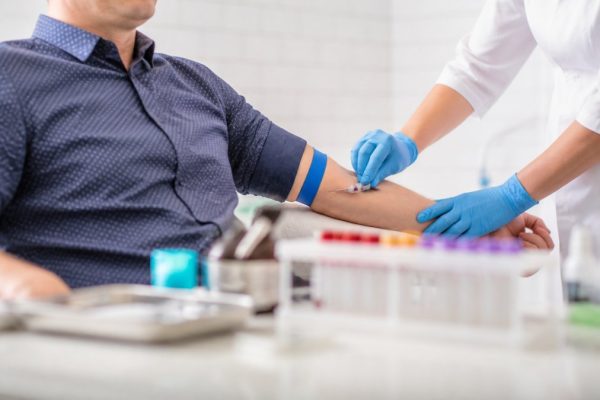
After your consultation, you receive lab requisition paperwork and visit a local LabCorp or similar CLIA-certified collection center at your convenience. Results typically come back within 3-5 business days.
Your physician reviews the complete hormone panel alongside your symptom profile. The doctor determines whether testosterone deficiency is actually present, whether other hormonal issues need addressing, and what your treatment starting point should be.
If labs reveal you’re not a good candidate, your physician will recommend appropriate next steps. Not every man who feels tired has low testosterone, and a responsible clinic won’t treat what isn’t broken.
Step 3: Treatment Plan and Prescription
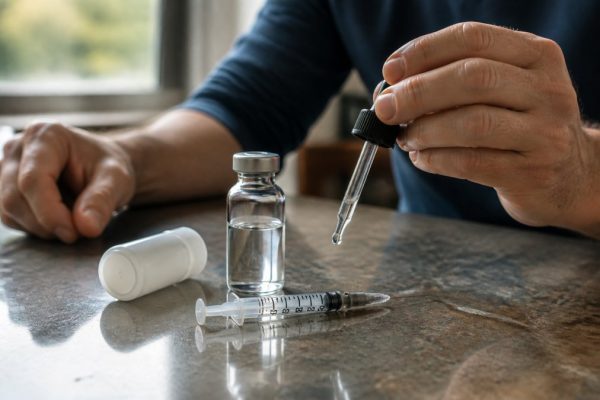
If testosterone therapy is appropriate, your physician creates a personalized protocol including your starting dose, delivery method (injection, cream, or pellet), frequency of administration, and a monitoring schedule.
The prescription is sent to a pharmacy specializing in hormone therapy. You receive your medication and detailed instructions on administration. Your physician schedules follow-up labs at specific intervals to verify the treatment is working and your dose is optimized.
This entire process typically takes 7-10 days. You’re not waiting weeks for endocrinology appointments or fighting insurance denials.
How Often Should You Get Blood Work for TRT?
Ongoing blood work is not optional, it’s the mechanism that keeps your treatment safe and effective.
Initial follow-up labs come 6-8 weeks after starting therapy (peer-reviewed research). This timing allows testosterone levels to stabilize and your body to reach steady state. These labs reveal whether your current dose is producing the desired hormone levels or whether adjustment is needed.
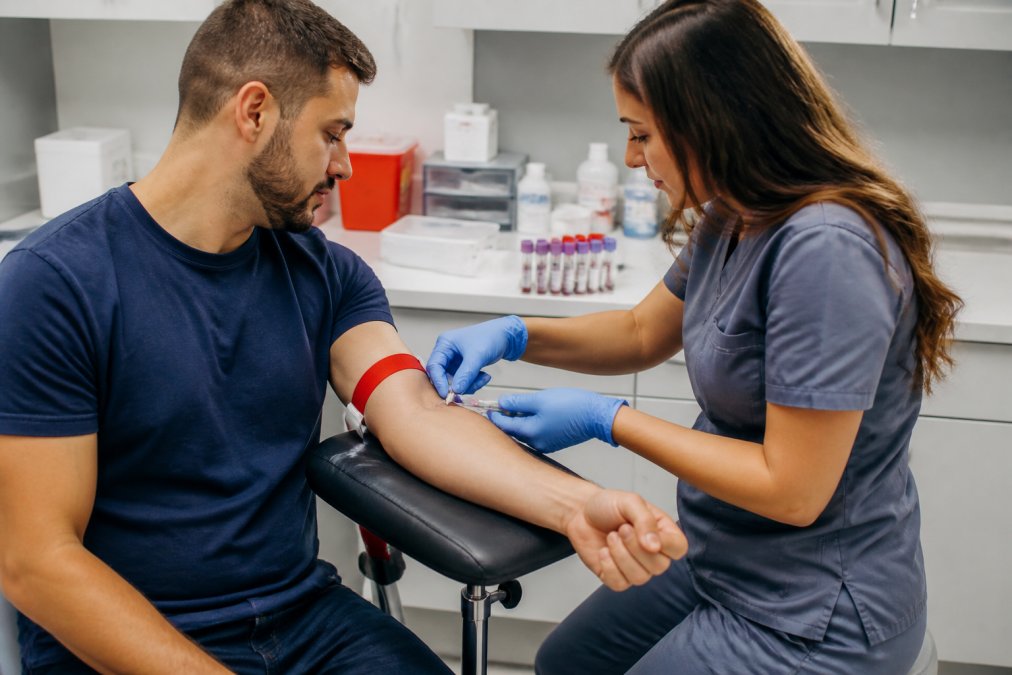
Most men need dose adjustments based on initial follow-up results. Your physician may increase, decrease, or maintain your dose depending on whether you’ve reached target ranges and how you’re feeling.
After stabilization, many physicians recommend labs every 6-12 months. This ongoing monitoring catches any issues early: elevated hematocrit, liver enzyme changes, or shifts in other hormonal markers. What matters is that monitoring happens consistently.
Benefits of Testosterone Replacement Therapy
When testosterone therapy is appropriate, when labs confirm deficiency and symptoms align with low testosterone, the benefits are substantial and measurable.
Energy restoration is typically the first benefit men notice. Fatigue lifts within 4-6 weeks as testosterone levels rise. Men report they can work a full day without hitting an afternoon wall, they sleep better, and they wake refreshed.
Muscle growth accelerates. Testosterone is anabolic, it builds tissue. Combined with resistance training, men on appropriate testosterone therapy gain muscle faster than they could naturally. Recovery improves too, with decreased soreness and more efficient muscle repair.
Sexual function improves. Libido increases as testosterone rises. Erectile function often improves independently of other treatments. Men report stronger erections, more frequent desire, and better sexual satisfaction.
Cognitive clarity returns. Brain fog lifts. Concentration improves. Men report better focus at work and sharper decision-making.
Body composition shifts favorably. Fat distribution changes as testosterone rises, particularly in the abdominal region. Men often lose visceral fat while gaining muscle, improving health markers: better cholesterol ratios, improved insulin sensitivity, and reduced cardiovascular risk.
Meaningful changes typically emerge over 8-12 weeks, with maximum benefits often taking 6 months to fully manifest (peer-reviewed research).
Medical Supervision and Side Effect Management
Testosterone therapy carries real risks if unsupervised. The most common side effect is elevated hematocrit, your red blood cell count rises (peer-reviewed research). This thickens your blood and increases cardiovascular risk if unchecked. Regular lab monitoring catches this before it becomes dangerous. Your physician can reduce your dose or recommend blood donation if needed.
Some men experience mood changes, irritability or aggression. This is dose-dependent, and lowering the dose usually resolves it. Others notice acne or oily skin as their sebaceous glands respond to higher testosterone.
Gynecomastia, breast tissue development, can occur if testosterone converts to excess estrogen. This is preventable through proper dosing and sometimes through adjunct medications that manage estrogen conversion. Responsible clinics monitor estradiol levels specifically to prevent this.
Suppression of natural testosterone production is automatic on exogenous therapy. Your body’s own testosterone production shuts down. This is reversible if you stop therapy, but recovery takes months.
Infertility is possible on testosterone therapy as the hormone suppresses sperm production. Men concerned about fertility should discuss this before starting.
The point is that responsible medical oversight matters. Your physician monitors labs, adjusts doses based on response and side effects, and catches problems early.
Why Virtual Telemedicine Works for Lab-Based TRT
Telemedicine removes friction from hormone therapy without sacrificing safety. You don’t need to sit in a waiting room for an hour to have a 10-minute conversation with a physician. You don’t need to schedule lab work around office hours or fight insurance denials.
Instead, you schedule a consultation at your convenience, have a thorough conversation with a licensed physician, get lab work done at a location near your home, and receive a personalized treatment plan.
Socal Mens Clinic Virtual exemplifies this model. Licensed California physicians review your complete hormone panel, create personalized protocols, and provide ongoing medical support. Your physician has time to understand your goals, interpret your labs in context, and adjust your treatment as needed.
The virtual model also addresses privacy concerns. Many men prefer not to discuss testosterone therapy in a physical office. Telemedicine removes that barrier. You’re in your home, on your schedule, having a confidential conversation with a professional who specializes in men’s health.
Lab work happens through established networks like LabCorp, ensuring CLIA certification and professional handling. Results flow directly to your physician for review.
Lab-based testosterone therapy in California represents a significant shift toward data-driven, patient-centered men’s health care. Rather than relying on symptom guessing or population averages, this approach uses objective hormone measurements to diagnose deficiency and guide personalized treatment.
The process is straightforward: consultation, lab work, physician review, and a customized protocol. Ongoing monitoring ensures your treatment remains safe and effective. If you’re experiencing fatigue, muscle loss, sexual dysfunction, or cognitive decline, and you suspect low testosterone might be the cause, a lab-first evaluation is the logical first step. Socal Mens Clinic Virtual offers exactly this approach, licensed California physicians, comprehensive hormone panels, and personalized treatment plans delivered entirely online. Get started with Socal Mens Clinic Virtual and discover whether hormone optimization can restore your energy, muscle, and confidence.
| Monitoring Timeline | Frequency | Purpose |
|---|---|---|
| Initial consultation | Once | Medical history and symptom review |
| Lab work | Once before treatment | Baseline hormone measurement |
| Follow-up labs | 6-8 weeks after starting | Dose optimization |
| Ongoing monitoring | Every 6-12 months | Safety and efficacy verification |
| Adjustment consultations | As needed | Dose modifications based on labs |
Frequently Asked Questions
What specific blood markers are required for a TRT prescription?
A comprehensive hormone panel for testosterone therapy typically includes total testosterone, free testosterone, sex hormone-binding globulin (SHBG), and albumin to calculate bioavailable testosterone. Most clinics also check estradiol, prolactin, and a complete metabolic panel to ensure safety. Your CLIA-certified laboratory results provide the baseline data your physician needs to determine if treatment is appropriate and what dosage suits your individual hormone levels.
How do I get a TRT prescription online in California?
Start with a virtual consultation with a licensed California physician who will review your symptoms and medical history. You'll then complete lab work through an established testing service like LabCorp. Once results are available, your doctor reviews the hormone panel and your clinical presentation. If appropriate, they issue a prescription and create a personalized treatment plan. This entire process typically happens through a secure patient portal without requiring an in-person visit.
How often should I get blood work while on testosterone replacement therapy?
Most physicians recommend blood work 4-6 weeks after starting TRT to assess how your body is responding and ensure dosing is correct. After that, periodic monitoring typically occurs every 3-6 months during the first year, then annually once you're stable. Ongoing lab-based monitoring helps your doctor track hormone levels, manage side effects, and adjust your treatment protocol based on your individual response and health markers.
Is a physical exam required for lab-based testosterone therapy in California?
A traditional in-person physical exam is not always required for lab-based TRT through virtual clinics. However, your physician will conduct a thorough clinical evaluation via telemedicine, including detailed health history, symptom assessment, and review of your lab results. This data-driven approach, combined with ongoing medical supervision, allows your doctor to safely prescribe and monitor your treatment without requiring an office visit.
Why is a lab-first approach better than getting TRT from my regular doctor?
A lab-first approach uses comprehensive hormone panels and specialized expertise in hormone optimization. Many primary care physicians order limited testosterone tests or misinterpret results against outdated reference ranges. A physician trained in endocrine system assessment interprets your complete hormone picture, including free testosterone, SHBG, and bioavailable testosterone. This precision-based diagnosis often identifies hormonal imbalances that standard testing misses, leading to more effective, personalized treatment.
Can I get testosterone replacement therapy in California without insurance?
Yes. Many men choose lab-based TRT through virtual clinics specifically because they don't require insurance. You pay directly for the consultation, lab work, and medication. This approach offers privacy, faster access to treatment without insurance referrals, and no worries about claims appearing on your insurance record. Pricing varies by provider, so check with your chosen clinic for current costs and available payment options.
This article was written using GrandRanker